|
Only have a minute? Listen instead |
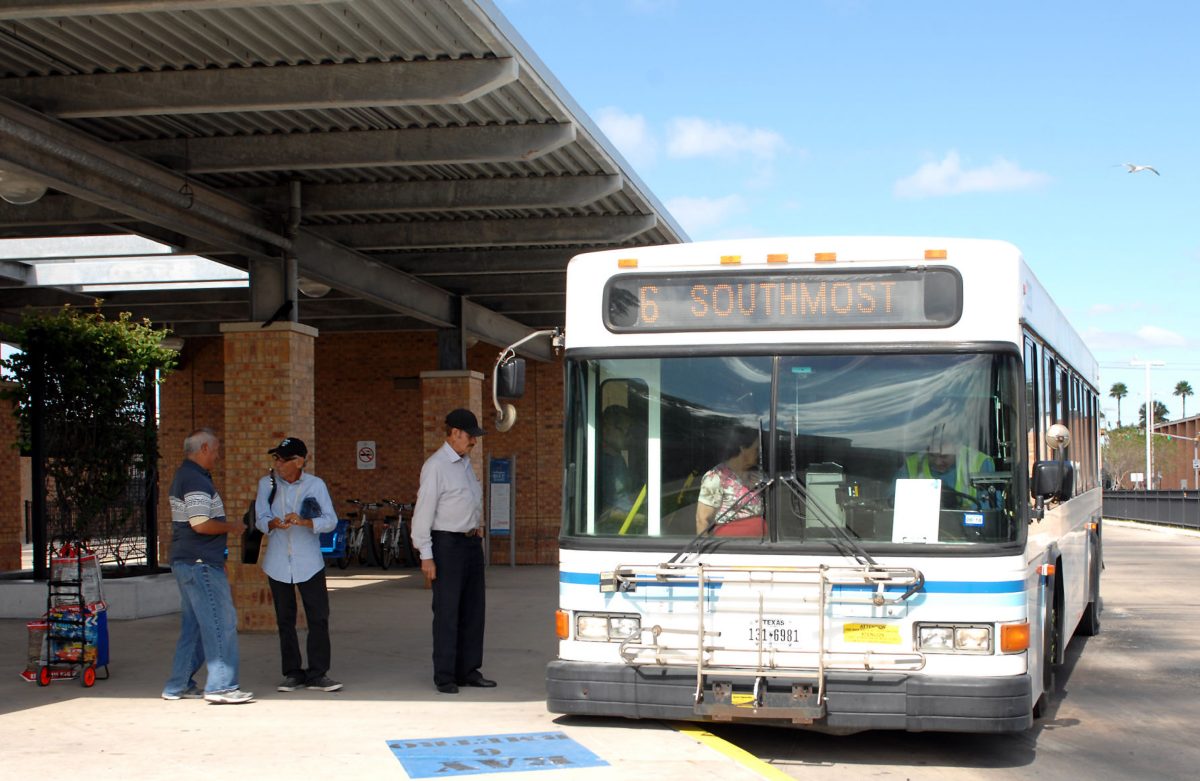
Brownsville Metro, or B Metro, wants to expand the city’s public transit network by adding a rapid bus transit system, new fixed routes and on-demand van or minibus options, according to a presentation it shared during a city commission special work session on Tuesday, June 16.
For the past few years, B Metro has been studying the feasibility of implementing various public transit options to adapt to a growing city and transport people to major employment hubs like the UTRGV, the airport and SpaceX, representatives of B Metro explained at the meeting.
This is the first Bus Rapid Transit (BRT) study completed in the Rio Grande Valley and south of San Antonio, Director of B Metro Gennie Garcia said, adding that McAllen and Corpus Christi are conducting their own BRT studies.
“It (BRT) offers riders faster and more frequent service than traditional bus service,” said B Metro’s Transit and Mobility Planner Octavio Salazar. “It combines the speed of a rail transit system with the comparatively low cost of a traditional bus system.”
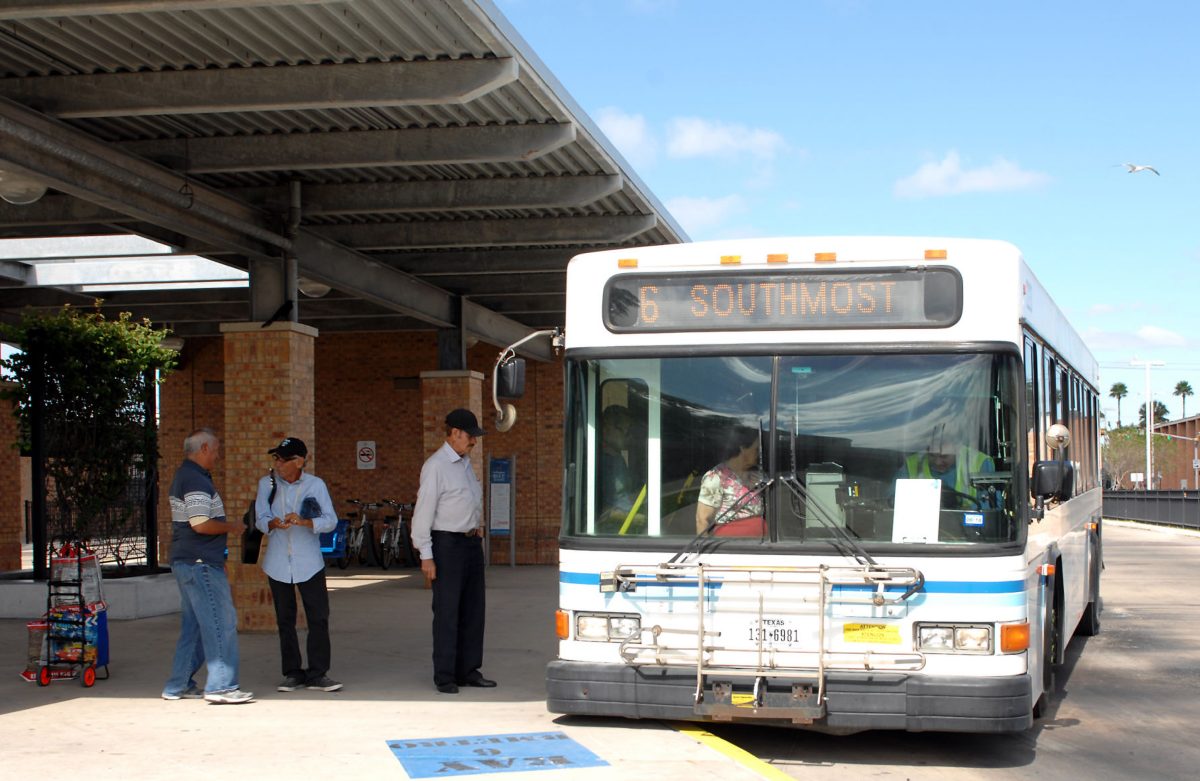
The BRT option would allow for low and multi-door boarding for passengers, dedicated transit lanes and would have traffic signal priority, Salazar said.
In its study, Brownsville identified a 6.8-mile corridor from La Plaza Terminal through International Boulevard to the Port of Brownsville that could be used for future rapid bus lanes.
“Along that corridor would be existing trail lines that would be pedestrian friendly,” Garcia stated.
She said that the corridor would allow for transit oriented commercial and housing development.
Salazar said that the study was 90% funded through the North American Development Bank and the rest by the city. He noted that implementation costs could range from $60 million to $272 million depending on whether the city wanted to have mixed flow or dedicated bus lanes.
If implemented, a BRT service is projected to increase ridership to about 35,000 riders per year, said Garcia, citing consultant analysis.
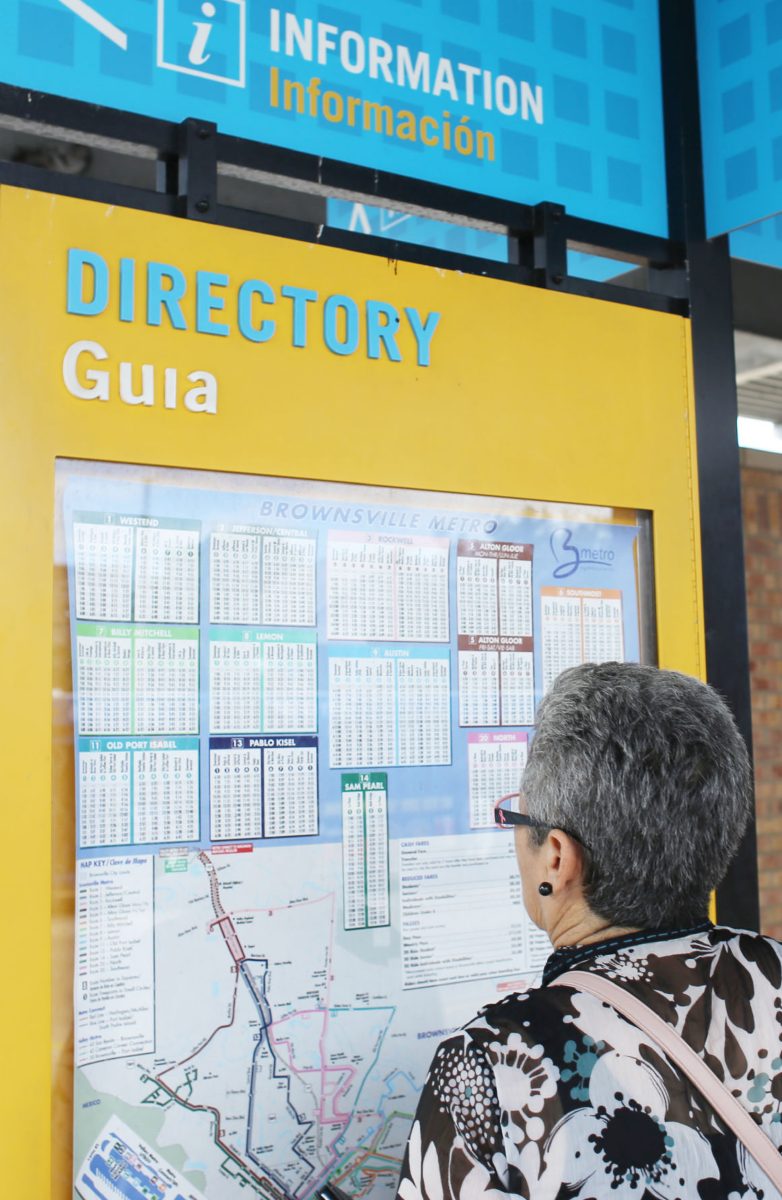
“This is a very futuristic plan,” said City Commissioner At-Large “A” Tino Villareal, adding that funding these systems now would depend on private and public partnerships as well as how many taxpayer dollars are going toward the project.
“I believe as a commission to keep our tax … the way it is and … not increase it at all for our taxpayers but I do see the benefit in this,” he continued.
B Metro also shared in a presentation a second “microtransit” study conducted that would allow passengers to request rides online, through an app or phone call if implemented. This $300,000 study was funded by the Federal Transit Administration to reach “underserved areas,” Garcia said.
B Metro is already implementing a sort of microservice in its Route 30 Uber zone in the southeast area of the city, Garcia stated, noting that the study would change the transit network to be more cost efficient, reach more people and be more reliable.