
Special to the NEWS
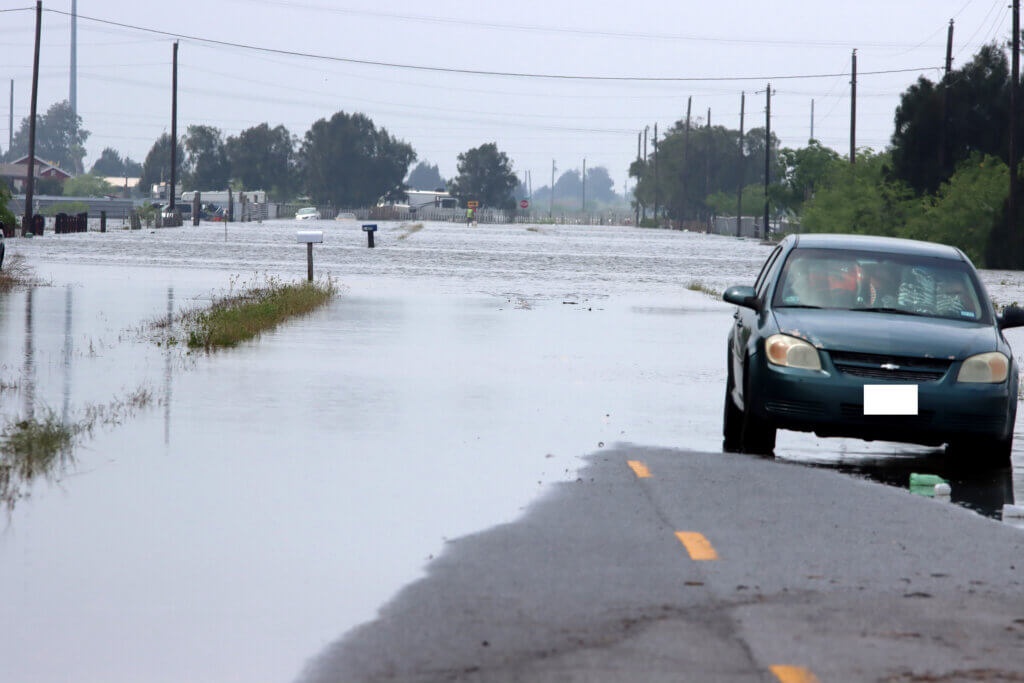
Experts say being prepared is the best defense in an emergency.
Even before the first hurricane threatens the area, the American Red Cross, Texas Gulf Coast Region, is working behind the scenes to ensure people don’t face the worst alone.
“At the Red Cross, we never stop preparing for disasters because we know they can happen anytime, anywhere,” said Carmen Watkins, Chief Executive Officer of the Texas Gulf Coast Red Cross, which serves the Rio Grande Valley. “It’s critical that people prepare as well. Large disasters are occurring almost continuously, and it only takes one to change someone’s life forever.”
To prepare for hurricanes, the Red Cross focuses on coordinating response plans and readying volunteers and supplies.
For example, the Red Cross coordinates closely with government officials and community partners to ensure people have access to safe shelter, food, water, and critical relief supplies when needed.
The organization is also actively recruiting and training volunteers who are ready to step up and help their neighbors. Finally, Red Cross administrators are ensuring that their local response vehicles and warehouses are stocked and ready if needed.
TAKE THESE STEPS TO GET READY
Plan to evacuate and to shelter safely at home. The evacuation plan should specify where to go, how to get there, and where to stay.
The stay-at-home plan should focus on gathering the right supplies to live safely without power, water, gas, phone, or internet for several days.
Sign up for free local government emergency alerts, which will include important information, such as evacuation orders.
Download the free Red Cross Emergency app for real-time weather alerts, open shelter locations, and expert advice in English and Spanish.
HOW YOU CAN HELP
People turn to the Red Cross for assistance every day, and volunteers help and support them on what is often one of their worst days.
Because the Red Cross is operating amid continuous disaster response, there is an urgent need for new volunteers, officials say. Visit redcross.org/volunteer to learn more and sign up for free online training.
KEY POSITIONS IN CRITICAL NEED
Disaster Action Team (DAT) help families in local communities after a home fire or other disaster. DAT team members provide emotional support, emergency financial assistance, and information to help families begin recovery.
Shelter volunteers ensure shelter residents’ needs are met and help them access additional services.
Disaster Health/Mental Health Services use professional skills as a licensed health care providers to help meet people’s immediate needs in emergency shelters and to refer them for ongoing, specialized care.
ABOUT THE RED CROSS
According to a press release, the American Red Cross shelters, feeds, and comforts disaster victims; supplies about 40% of the nation’s blood; teaches life-saving skills; provides international humanitarian aid; and supports veterans, military members, and their families.
The Red Cross is a nonprofit organization that relies on volunteers and the generosity of the American public to fulfill its mission.
For more information, visit redcross.org or CruzRojaAmericana.org, or follow the Red Cross on social media.
The Texas Department of Insurance also shared insurance tips for hurricane season, which began on June 1.
The group reminds the public to review insurance coverage to ensure families and properties are protected after a storm.
CHECK THESE COVERAGES
Wind insurance: Many home insurance policies don’t cover wind and hail damage of properties along the Gulf Coast. Property owners should consider purchasing wind insurance if they don’t already have it.
Flood insurance: Most home insurance policies don’t cover flood damage. Don’t delay; flood policies usually take effect 30 days after purchase.
Auto coverage: Drivers should consider adding comprehensive coverage that pays for damage to vehicles caused by flooding, hail, fire, and wind.
MORE TIPS
Deductible should be known: That’s the amount policyholders must pay before the insurance pays. Deductibles for wind and hail damage are usually different from those for other types of damage.
Save the policy agent’s and the insurance company’s phone numbers. Make copies of the policy’s declaration page and of the auto and health ID cards. Email them to yourself to access them from remote locations.
Check the roof and windows: Repairs and reinforcement could save money in the long run.
Make a home inventory: Take photos or videos of every room, closet, and drawer in the house and garage. This can help if there’s a need to file an insurance claim.
Create an evacuation plan and build an emergency go-kit that includes water, food, medicine, clothes, pet food, and other vital supplies.
Call TDI’s help line at 800-252-3439 for more information. It’s open weekdays from 8 a.m. to 5 p.m.