|
Only have a minute? Listen instead |
A picture is worth 1,000 words. This is truer now than ever as almost everyone is walking around with a camera in their pocket that would put the best professional equipment to shame just a decade ago.
If you can’t see — or post — it, did it really happen?
The visual evidence of economic transformation in the Rio Grande Valley is crystal clear. You are more likely than not to see first-hand the results of billions of dollars of investment on every drive you take to your favorite beach.
These aren’t your flavor-of-the-month massive corporate expenditures — no offense, data centers.
SpaceX’s Boca Chica Beach facility is one of 20 FAA-licensed spaceports in the entire country. More importantly, the facility accounts for half of all issued private exclusive use licenses.
The trillion-dollar initial public offering of the company is evidence of the value of this asset.
When NextDecade’s Rio Grande LNG terminal comes online, it will be a much-needed addition to the eight operating liquefied natural gas facilities in the United States. These facilities have been instrumental in finding a viable market for the vast domestic natural gas reserves and have propelled the United States to the lead in global natural gas exports.
We are now providing countries lacking their own natural resources a cleaner alternative to more abundantly available energy sources such as coal. And no longer are these importing nations limited to purchase options from exporting countries that range from outright adversaries to suspected human rights violators.
While not yet visible, the recent announcement of the Port Alpha investment at the Port of Brownsville is also special. Not only does it represent a much-needed return to America’s ship building capacity, but the project is also at the cutting edge of the future technology.
The Iran conflict has provided concrete evidence of the effectiveness of artificial intelligence and sensor technologies to not only keep military members out of harm’s way through unmanned operations but also provide a safer alternative to getting these warriors out of dangerous situations.
Beyond these real impacts, what makes these projects so unique?
The obvious answer is the billions of dollars often required to bring them to fruition. Even before the expensive construction stages of these projects, massive investments are made at the design, development and permitting stages.
Beyond the required capital, these investors must have the risk tolerance to navigate an often decades-long bureaucratic nightmare. Consultation, coordination and permitting at the federal level alone often require the involvement of an alphabet soup of agencies: DOE, FERC, DOI, DOS, etc.
A risk that has become even larger with the swings of favor — or disfavor — that increasingly come with every election cycle.
But when these gambles pay off, they pay big.
So how does the Valley ensure that we get our fair share of these payouts?
With all hands on deck.
Our elected officials and regional business development entities will lead — and have led — the charge. Their key role has brought these entities to our region. As critics will quickly point out, this recruitment effort often meant the sacrifice of large amounts of direct tax revenue.
This sacrifice must be justified by holding these entities to their commitment to local job opportunities and continued investments.
Local entrepreneurs, this is your call to action. Work your way into the enormous supply chains that build, maintain and support these projects. Beyond the direct opportunities, be mindful of all the auxiliary businesses that will feed off the influx of facilities and personnel to an almost entirely untapped section of the RGV.
The thousands of promised new workers must eat, right?
Educators, we have the duty of preparing the local future workforce to be the real beneficiaries of these new prospects. The STEM links are obvious. However, the openings extend much further into business, law, communications and trades work.
Nongovernmental community leaders, don’t be afraid to make asks. Continue to engage and network with our new neighbors. Don’t just make them aware of local needs. Give these new transplants ample opportunity to be part of the solutions.
And to everyone else who does not yet know where they fall in these categories, don’t panic. If done properly the benefits should trickle down to everyone. Just continue to ask yourself one question:
How do I maximize this unprecedented economic transformation for my own benefit?
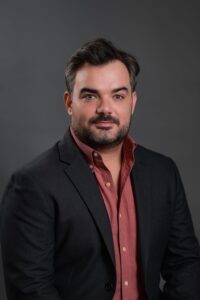
Justin Katusak is a lecturer at the University of Texas Rio Grande Valley.
