
|
Only have a minute? Listen instead |
An analysis of South Padre Island’s parking supply ultimately recommended that the city pursue paid parking, but leaders haven’t committed to any plans yet.
Jon Forster, a parking and mobility planner with consulting firm Fishbeck, on Oct. 5 delivered the findings of a parking study that the City Council approved last fall.
The data illustrated what residents and visitors have likely already felt: there’s a parking crunch on the Island that gets tighter as winter and spring give way to summer.
The challenge for the Island, Forster said, will be deciding what the optimal amount of parking is given the large difference in visitors between its slower and busier seasons. While that answer is different for every community, he said, lack of legal parking eventually has an economic impact. The report presented the City Council with three possible paths and ultimately recommended it pursue a combination of paid parking and one or two parking structures.
Mayor Patrick McNulty said there are no immediate plans to take action on the parking recommendations. The city would host public workshops to get a range of view points before any decisions are made.
“Whatever happens out of it will be a very measured process,” McNulty said. “There’s a whole bunch of stuff we need to understand to make parking a better situation on South Padre Island.”
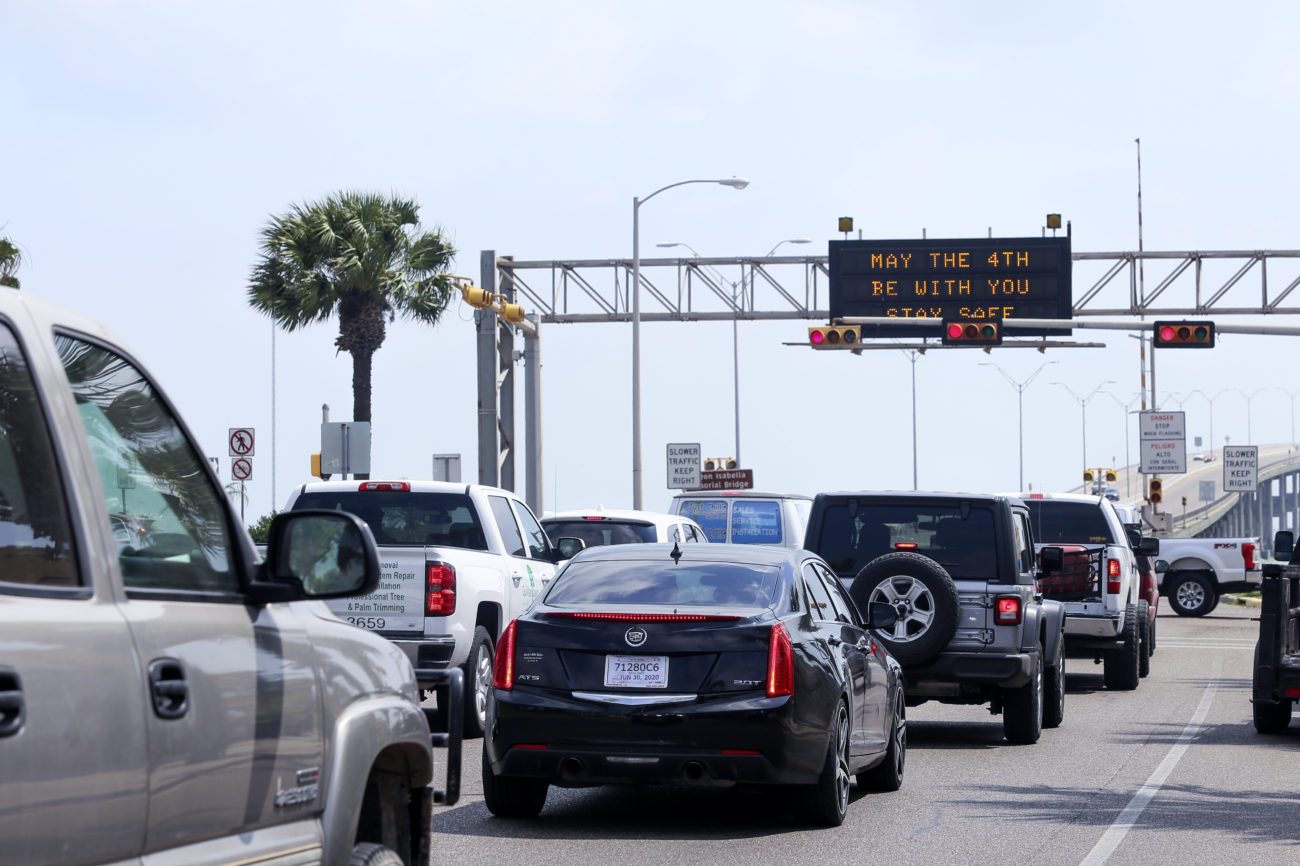
McNulty said limited parking causes a domino effect that contributes to more traffic as drivers circle in search of a spot. If visitors decide to travel to the Island with five cars when their vacation rental only has three parking spaces, he offered as an example, those two extra cars may end up taking spaces on Gulf Boulevard that are meant for beach-goers.
“When people can’t find a parking spot, that creates traffic because there are more cars on the street circling trying to find a parking spot,” he said. “It affects quality of life. The only asset you have that you can’t buy is time.”
Some businesses have gotten creative, McNulty said, and offer overnight parking in their lots for a fee.
The Island is about 300 beach-access parking spaces short of state requirements but continues to chip away at that, according to the analysis.
The main goal of paid parking is not to generate revenue but to manage supply, Forster said, with visitors being more inclined to carpool and reduce traffic.
The study found that the Island’s parking crunch is manageable in the spring but gets especially bad during summer nights and weekends. During a visit in February, Forster counted 194 cars on a Thursday night. That number ballooned to nearly 1,600 cars when he returned on Saturday night in July.
There generally is enough beach parking during peak times of day, the study found, but the entertainment district doesn’t have enough legal public parking spaces for busy evenings. Those who park in private lots risk getting towed. Meanwhile, business owners said they are hesitant to take on the added work of running paid parking spots but wouldn’t mind the city managing it.
In a survey of 573 people, 81% said there’s a shortage of residential parking. Half of participants said street traffic makes it tough to cross the street and walk around the Island. A majority said they have never used Island Metro.
Visitors said they want parking that is easy to find in a reasonable amount of time and where they can be sure they won’t be ticketed or towed. They’d like to be able to look up parking options before arriving on the Island. About one-third of visitors said they would be willing to pay for parking to be closer to their destination.
“You could pave the Island over and there would be plenty of spots, but that would limit your economic activity,” Forster said. “No one wants an Island full of asphalt.”
More parking lots or parking structures also means more spending on construction, maintenance, lighting, utilities and drainage, Forster said.
“That is a tough one for a community like this because you do have those big swings,” Forster added.
A parking garage would not impede development but wouldn’t necessarily make sense with the beach and attractions spread over 4 miles.
One option the city has is to do nothing, Forster said, and the private sector eventually will sort it out as local businesses begin charging for parking to protect access for their customers. Parking gates will go up, he added, and towing will continue. That limits costs for the city, but it will take the blame from unhappy residents and visitors all the same.
The city could also initiate some paid street parking, which would lead the way for businesses to charge for private parking. That would require more road and curb improvements.
As a third option, the city could move forward with paid street, beach and entertainment district parking, Forster said, and develop one or two parking structures. That would give the city more control over parking but come with more overhead costs.
Forster’s recommendation was to pursue the third option. He acknowledged that it places more responsibility on the city to spend money on street improvements to both sides of Padre Boulevard and staff to manage the parking system. The city could also look into building a parking structure.
Beyond frustration for residents and visitors, a parking shortage eventually has an economic impact.
“Some of the smartest people in the world have tried to quantify the true economic value of a parking space,” Forster said, which is tough to do because every community is different. “If you don’t have enough, at some point you will cap your economic activity.”