
|
Only have a minute? Listen instead |
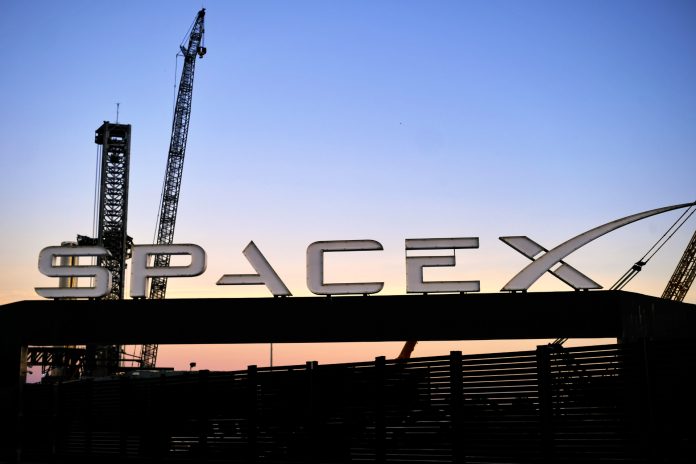
Elon Musk’s SpaceX has announced plans to build a massive data center on recently annexed land near the Starbase city and rocket launch facility, even as several Rio Grande Valley cities and the state of Texas as a whole have imposed moratoriums on their development.
The $24 billion center could provide a major boost to our local economy. However, the widespread opposition reflects concerns about the environmental risks and strain on public resources and infrastructure.
If it’s built right, the center could maximize the economic benefits while reducing the damage to local resources.
Data centers are among the fastest-growing — and most lucrative — economic developments in recent years, and they can be economic boons to the areas where they operate. Industry data state that existing data centers already contribute about $1 trillion to our nation’s economy and nearly 6 million permanent jobs in addition to millions of temporary construction jobs as the facilities are built.
The centers are huge banks of supercomputers churning through online and artificial intelligence data for purposes ranging from research to mining for cryptocurrency. SpaceX says its operation will target medical research, national security and emergency response and advanced manufacturing systems.
Still, environmentalists and others will continue to oppose the development unless and until the company allays their concerns.
One major concern is its need for electricity to power the computer banks. More than five years after February 2021 freeze shut down virtually the entire state’s power grid, the system still has trouble meeting the needs of the state’s growing population.
SpaceX says it will build its own gas-fueled power plant. Environmentalists still voice concerns about the emissions such a plant would create, although population growth necessitates new energy sources, both renewable and fuel-driven.
The use of water to cool the computers is another concern in a region where supplies already are alarmingly low and local officials are scrambling to find new sources. Musk did himself no favors earlier this year when he mocked such concerns. In a news conference standing at the coastline, Musk asked, “What are they talking about? We have plenty of water.” But it’s the use of potable water to cool the computers that worries the public.
Fortunately, technological advances has reduced that use at the newest data centers, which have developed recirculating systems similar to auto radiators, or use “cold rooms” where the computers basically are placed in rooms in which the air conditioning is set to low temperatures. Industry publications state that fewer data centers use water for cooling.
The most important thing SpaceX can do is recognize that public concerns are valid, and keep officials, and the public, informed as to how it will address those concerns.
If, before concrete is poured, the company commits to building the most modern facility with the lowest impact on our infrastructure and environment, it can promise greater economic benefit with minimal negative impact, and ease a lot of worried minds.