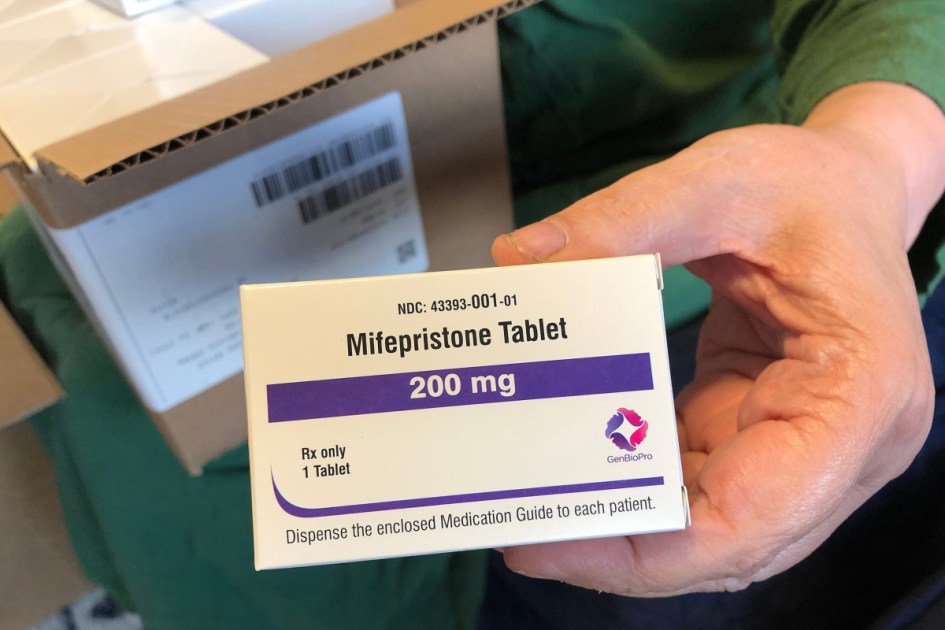

The 5th U.S. Circuit Court of Appeals on Friday blocked a 2023 Federal and Drug Administration regulation that allowed mifepristone to be mailed to patients, a rule commonly used to get around Texas’ abortion ban.
The 2023 rule allowed doctors to prescribe mifepristone remotely and the drug to be mailed to patients, including those in Texas from other states where abortion is legal. The 5th Circuit’s ruling Friday, stemming from a lawsuit in Louisiana, means mifepristone can only be picked up in-person from doctors or pharmacies.
Abortion advocates nationally decried the ruling as a crackdown aimed at restricting remote abortion access nationwide, particularly impactingn states like Texas where mifepristone would not be available without telehealth services.
“Anti-abortion politicians know their policies are unpopular, so they are using every lever of government they can,” said Mini Timmaraju, CEO of abortion advocacy group Reproductive Freedom for All. “Louisiana built this case on debunked, junk science. The safety of mifepristone has never actually been in question.”
Mifepristone, when used alongside misoprostol, is the most common way Americans end their pregnancies, including in miscarriages. The FDA approved a generic version of the drug in 2019 and a second version last October, and studies have shown the drug to be safe and effective.
Anti-abortion groups across the country, including the nonprofit Live Action, celebrated the ruling as a “major step toward justice” in permanently ending mail access to mifepristone and similar drugs.
“These drugs are designed to end the life of a preborn child, and they are now responsible for the destruction of millions of preborn lives, often behind closed doors with no doctor present,” Live Action Founder Lila Rose said in a statement.
Under a Texas law passed last year, doctors who prescribe or companies that distribute abortion-inducing drugs like mifepristone can be sued for up to $100,000. But 22 states where the medication is often prescribed have “shield laws,” which provide civil and criminal protections for healthcare providers who assist those in states like Texas with restrictive abortion laws. Pregnant people who seek out abortions or take abortion pills are exempt from litigation under the law.
Source link