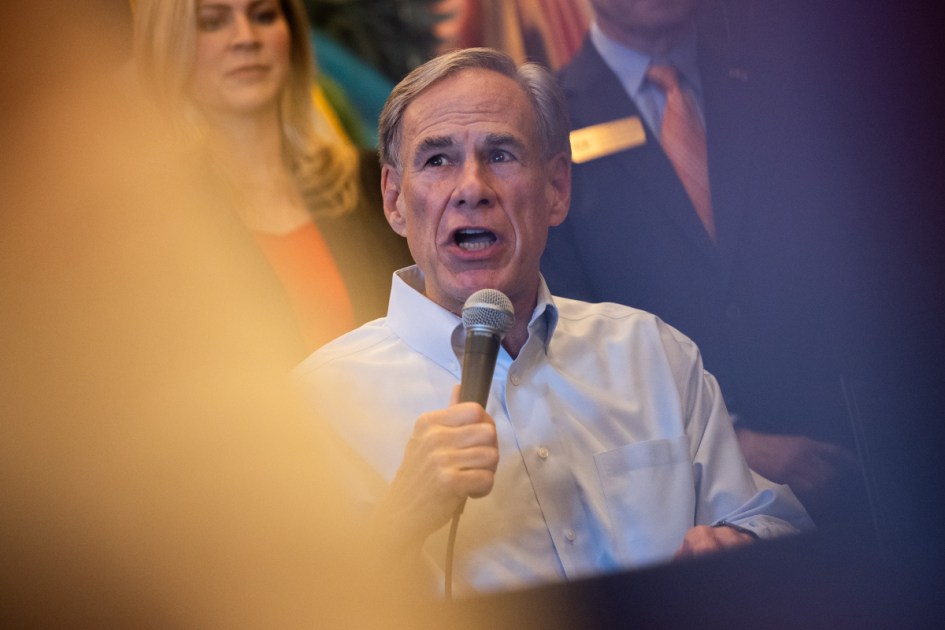

Gov. Greg Abbott on Tuesday released sweeping regulatory recommendations on data centers for the Legislature to pass in the 2027 session, as Texas grapples with an explosion of artificial intelligence-driven development and soaring power demands.
In a letter to state regulators, Abbott outlined a series of proposals designed to ensure data centers shoulder the costs of their growth rather than Texas ratepayers.
Among his legislative priorities:
- requiring new facilities to add power generation to the state’s power grid
- requiring data centers pay for their own grid interconnection and infrastructure costs
- mandating the use of “closed-loop” water systems, which draw a large amount of water at the start but reuse it over some period of years
- require annual reporting by all data centers on electricity and water use
- establishing best-practice standards to address community concerns like noise
- repealing data center sales tax exemptions and “other outdated or unnecessary incentives for data centers”
The Texas Tribune reported earlier this year that the state is poised to lose $3.2 billion in sales tax revenue over the next two years because of a sales tax exemption.
“The rapid scale of data center development requires oversight to ensure everyday Texans are not burdened with the costs of infrastructure driven by data center expansion, and to ensure that as data centers interconnect to the Electric Reliability Council of Texas (ERCOT) grid, residential electric bills are not negatively affected,” Abbott wrote in the letter first obtained by the Texas Bullpen.
It’s a striking call for industry regulation by the Republican governor in a state that has long prided itself on being a favorable environment for business. In recent months, Abbott has toed the line of championing the industry, declaring Texas the “epicenter” of AI development, and issuing statements about how his office was sensitive to the concerns about strain on resources and quality of life.
The Data Center Coalition welcomed the governor’s proposals saying the industry already follows many of the recommended practices and is committed to working with agencies to support “responsible infrastructure growth.”
“It’s important to recognize that data centers are a diverse industry serving a wide range of needs, and there is no one-size-fits-all solution when it comes to facility design, cooling technology, or regulation. The right approach in one community may not be the right approach in another, which is why siting and operational decisions are made in close coordination with local utilities, water providers, and management districts,” said Dan Diorio, the organization’s vice president of state policy.
In the immediate, the governor directed the Public Utility Commission of Texas to “initiate action to reduce residential transmission costs” by July 31 and start requiring data centers to pay for all of their costs associated with building power infrastructure for their operations, to ensure residential ratepayers bear none of it.
He’s also asked the PUC and the Electric Reliability Council of Texas, the state’s main grid operator, to submit a joint memorandum by July 17 summarizing what they’ve done to prevent that data center development have caused risks and added costs onto Texans.
The move comes as opposition to large-scale data center projects grows across Texas. Community groups have organized against proposed developments over concerns about water use, noise, land impacts, and strain on local infrastructure. A March Quinnipiac poll found that 65% of Americans oppose the building of an AI data center in their community.
A Texas Tribune analysis found that nearly 60% of data centers that are planned or under construction would be in red state House districts that voted for President Donald Trump.
As of May, ERCOT reported that large projects requesting to connect to the grid totaled 439 gigawatts of power capacity — five times larger than the all-time peak demand on the state’s grid. Of those projects, about 89% are data centers, though energy experts say it’s unlikely that all of them will be built.
ERCOT CEO Pablo Vegas previously described the influx of requests as “an unprecedented change in the pace of growth.”
A Tribune analysis found the state has 335 existing data centers, with more than 248 in the works. Only Texas and Virginia, which has been the top state for data centers for the past few years, had more than 100 active projects under way as of March, according to Aterio, a company that tracks industrial development.
Notably absent from Abbott’s priorities was any proposal to expand local control over data center development. That omission comes as counties across Texas argue they lack the authority to regulate projects increasingly locating in rural, unincorporated areas where zoning restrictions do not exist. Some state officials have expressed interest in expanding counties’ regulatory authority over data centers.
Last week, the Tribune reported that in rural Hood County, eight projects have been proposed over 10 months and local officials had no authority to reject them. Efforts by lawmakers to slow development have been met with threats from state Sen. Paul Bettencourt, R-Houston, and from lawsuits from data center developers.
Abbott’s recommendations follow interim charges in both chambers. Lawmakers have been charged with studying the development of data centers and examining the total water usage of data centers in the state.
Source link