|
Only have a minute? Listen instead |
A decision by the Texas Supreme Court involving the public’s constitutional right to beach access strips Texans of the means to enforce that right when a governmental entity is the one violating it.
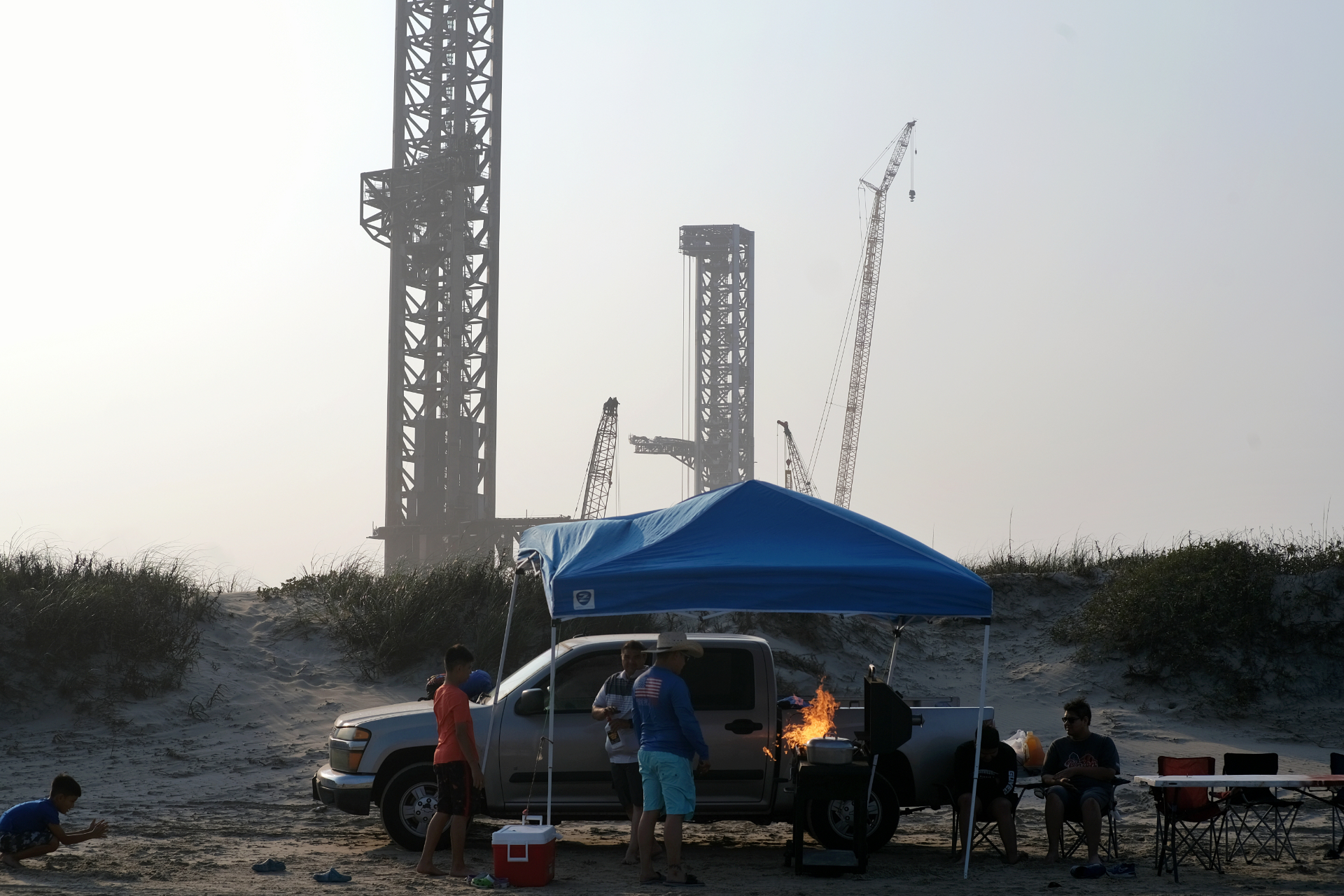
So says Save RGV, plaintiff in a lawsuit against Cameron County, the Texas General Land Office and GLO Commissioner Dawn Buckingham over repeated closures of Boca Chica Beach and State Highway 4, first by the county and then by the city of Starbase, at the behest of SpaceX for Starship launches and other rocket-related operations.
Save RGV filed suit in 2021, with the Carrizo/Comecrudo Nation of Texas Inc. and the Sierra Club later coming onboard as plaintiffs. Last week, the nine-member court ruled issued an opinion that private parties such as the nonprofit Save RGV have no right to sue to enforce public beach access.
Specifically, the court ruled that a trial judge who had previously dismissed the case with prejudice (meaning the plaintiffs are barred from refiling an amended version of the suit) had been correct in doing so.

Delivering the opinion of the court, Justice Rebeca Huddle noted that the Legislature in 1959 created the Open Beaches Act, which declared that “Texans enjoy free and unrestricted right of ingress and egress to and from the state-owned beaches.” Historically, when disputes over public access arose, the responsibility of enforcing the statute fell to state and local governments, she wrote.
A constitutional amendment approved by voters in 2009 “enshrined the right of public beach access in our Constitution,” according to the opinion, which stated that the “constitutional amendment granted the public a right, described as a permanent easement, to ingress, egress, and use of Texas beaches.”
However, the amendment —which passed with overwhelming public support — specifically stated that it “does not create a private right of enforcement,” Huddle wrote. That provision bars the plaintiffs’ claims and immunizes the “governmental actors” from the suit, according to the opinion.
In 2013, Rep. Rene Oliveira authored legislation, which SpaceX had lobbied for, authorizing the GLO commissioner and “certain counties” to temporarily close beaches or beach-access points for space flight activities. Oliveira died in 2024.
Save RGV said the supreme court decision comes as Starbase continues to close Boca Chica and S.H. 4 (authority wrested from the county last year via legislative sleight-of-hand) at SpaceX’s behest, “handing the public beach to the company to use as a blast zone during rocket launches and related activities for as long as they wish.”
“Texas voters enshrined the right to public beach access in the state’s Bill of Rights in 2009 precisely to prevent this kind of arrangement,” Save RGV said. “(The June 19) ruling undermines that intent by requiring the public to rely on the government to police itself — even when the government is the party committing the constitutional violation. Yet the Texas Supreme Court has now ruled that private citizens cannot seek judicial enforcement of that constitutional protection when government officials violate it.”

Marisa Perales, attorney for the plaintiffs, said in a statement that the justices’ decision “effectively says that only the government can enforce the Open Beaches Amendment — even when it is the government that is violating it.
“The result is a constitutional right that becomes unenforceable whenever government officials choose to disregard it,” she said.
Save RGV argued that, under the court’s ruling, the duty of enforcing the constitutional right falls on the very same entity accused of violating it, which leaves the public with “no recourse to hold government officials accountable.”
“It is difficult to imagine that Texas voters intended to create a constitutional protection that becomes ineffective whenever government actors are the source of the violation,” according to the organization.
Huddle wrote that the court would “leave for another day” the task of deciding whether the constitutional guarantee of public access takes precedence over laws that run counter to that guarantee — closing beaches for spaceflight activities, for instance.
“The plaintiffs and their counsel are continuing to evaluate the Court’s decision and are weighing all available next steps,” Save RGV said.